Motivating Aging Adults to Adopt Exercise Through Comprehensive Workout Protocols
Wiki Article
Remaining physically engaged is essential for people of all ages, but it turns especially vital as people age. For older adults, regular movement supports maintaining autonomy, supports flexibility, and improves quality of life. Comprehensive fitness plans provide aging individuals with organized approaches to wellness that cover stability, range of motion, strength, and stamina. By adhering to professionally developed exercise routines, seniors can elevate their daily function while minimizing the chances of accidents, chronic diseases, and emotional difficulties.
Exercise for seniors is not limited to demanding routines or rigorous gym workouts. It concentrates instead on safe, gradual, and maintainable activity that fits personal fitness conditions. Routines such as brisk walking, stretching, gentle yoga, and light resistance training help preserving joint flexibility and strength. Cardiovascular exercises like swimming or indoor biking improve cardiovascular function, which are important for sustaining physical endurance and stamina. These physical practices also support mental function, as findings have indicated that routine fitness can improve recall, outlook, and mental performance.
Holistic training plans emphasize a integrated approach to health, integrating physical, mental, and interpersonal dimensions of health. Older adults are guided to start gradually and advance at a steady rate, ensuring security while preventing overexertion. Including mobility sessions prevents strain, while adequate water consumption and nutrition complement exercise routines. Additionally, community-based programs—such as senior workout groups or fitness meetups—provide chances for peer support, motivation, and mental connection, which are crucial to overall health.
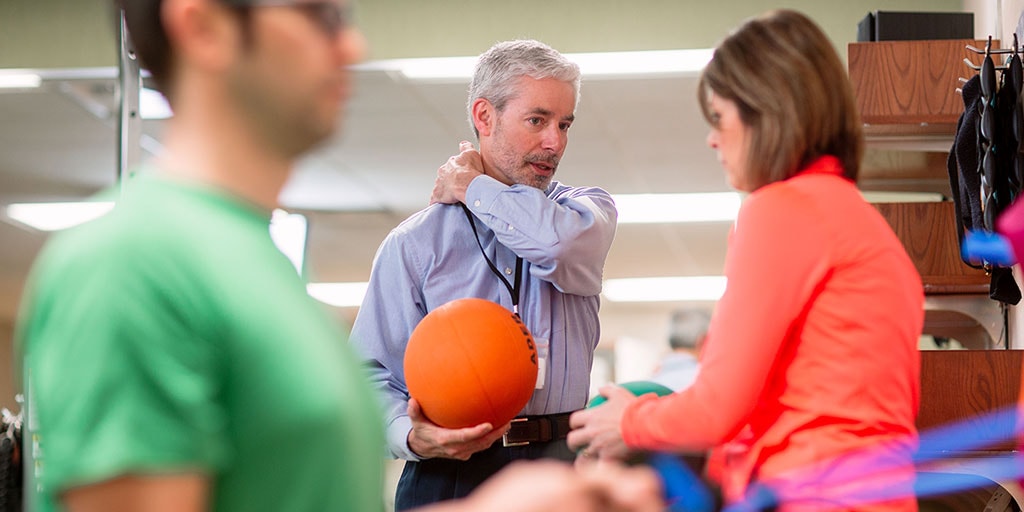
Expert assistance serves a important role in helping aging individuals develop personalized fitness programs. this hyperlink Seeking advice from healthcare providers, rehabilitation specialists, or exercise professionals you could try here ensures that programs are adapted to specific health conditions, physical capabilities, and objectives. These specialists can design effective workout protocols that account for elements such as mobility concerns, skeletal weakness, or cardiovascular limitations. Through consistent evaluation and refinement, fitness routines continue to be productive and rewarding, encouraging long-term participation and success.
In conclusion, enabling older adults to adopt wellness through structured exercise guidelines fosters a culture of active aging. When older adults are provided with understanding, inspiration, and organized systems, they develop assurance in their strength and appreciate greater freedom. Consistent movement boosts not only physical strength but also mental clarity and emotional resilience. By promoting accessible, professionally structured exercise plans, societies can ensure that each older adult has the chance to lead a active, vibrant, and rewarding lifestyle.